
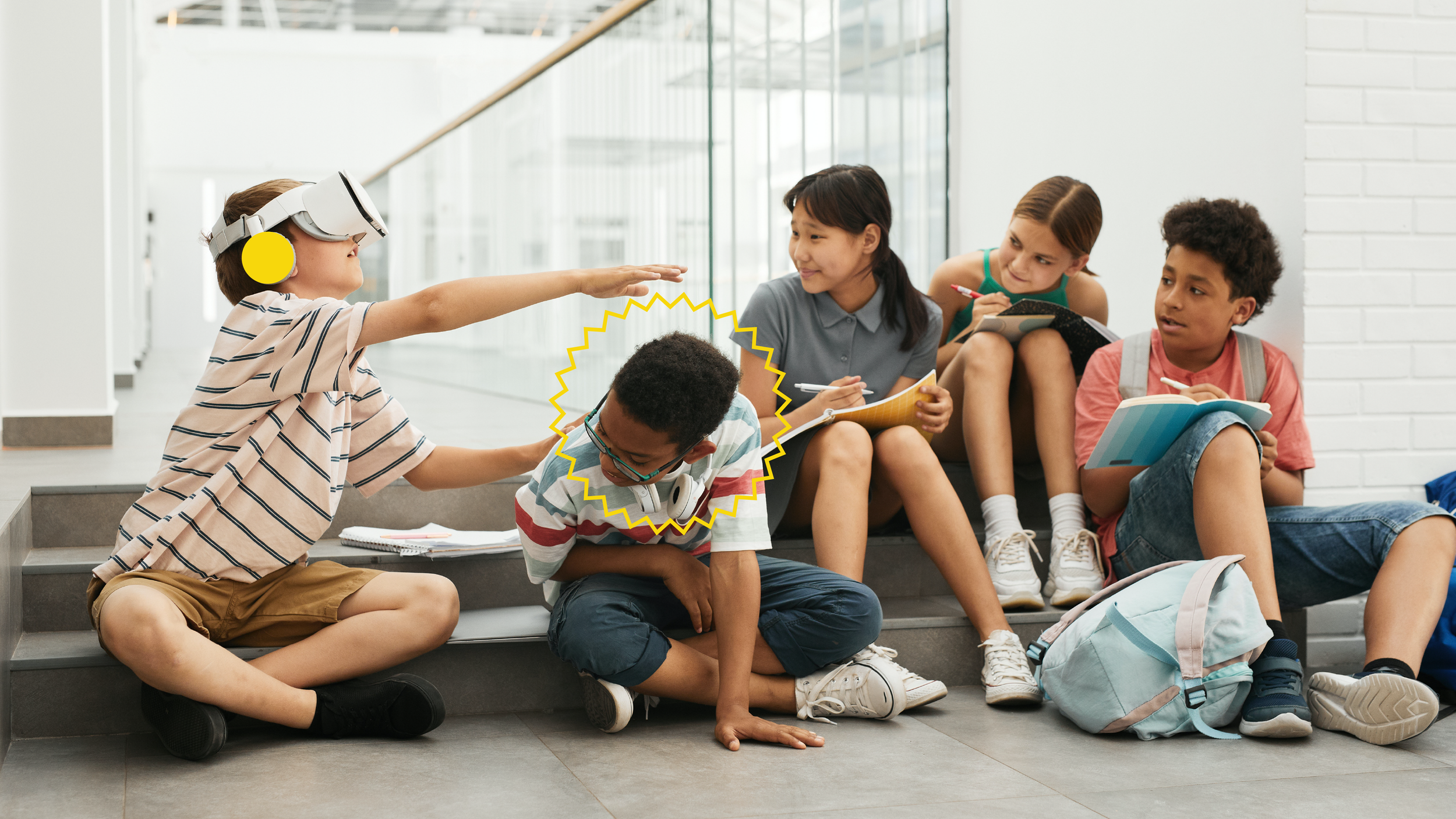
Growing confidence, independence, and purpose.
Middle School is a transformative stage in a learner’s journey, where increasing independence, self-awareness, and academic challenge come together. As learners explore their identities, strengths, and aspirations, we support their growth not only as students, but also as confident, resilient, and compassionate individuals.
Guided by the IB Middle Years framework, our programme encourages learners to think critically, ask meaningful questions, and make connections between their learning and the world around them.
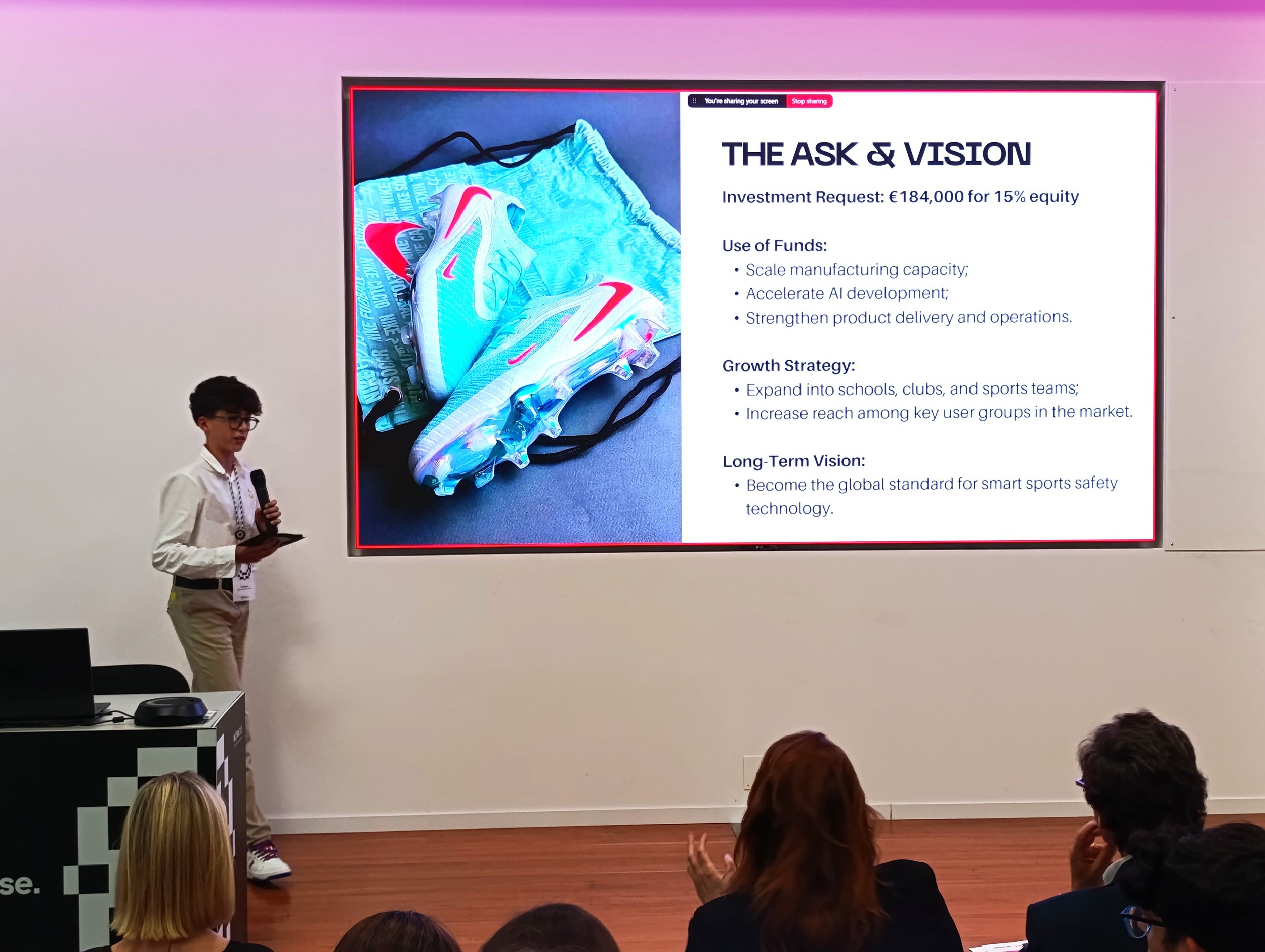
Entrepreneurship & Innovation
Every year, our MYP learners take on entrepreneurial and STEAM challenges that encourage them to think like innovators and problem-solvers. Working collaboratively, they explore real-world needs, develop creative solutions, and bring their ideas to life through purposeful projects.
What are Approaches to Learning (ATL) skills?
ATL skills are the practical skills that help learners become successful learners and confident individuals. They include communication, collaboration, critical thinking, research, organisation, self-management, and reflection.
Just as important as what learners know is how they learn. ATL skills help learners manage their time, work effectively with others, solve problems, communicate ideas, and take increasing responsibility for their own learning—skills that will benefit them throughout school, university, and life.
-
In today's world, success depends on more than academic knowledge. Learners need to know how to solve problems, manage their time, work effectively with others, communicate ideas, and adapt to new challenges. ATL skills help learners become confident, independent, and lifelong learners.
-
ATL skills are embedded across the curriculum and taught through authentic learning experiences. Whether learners are conducting research, collaborating on projects, reflecting on their progress, or presenting their ideas, they are continuously developing these transferable skills.
-
ATL skills help learners succeed not only in school but also at university, in their careers, and in life. They develop the ability to think critically, learn independently, communicate effectively, and navigate an increasingly complex and interconnected world.
Middle
school
Grade 6 - 8
Middle Years Programme
At LIS, our Middle School curriculum is concept-driven and inquiry-based, encouraging critical thinking, real-world application and global engagement across eight subject groups.
-
Strong reading, writing, speaking and critical thinking skills are developed through the study of literature, media and a variety of texts.
-
Learners take on an additional language, building communication skills and intercultural understanding in real-world contexts.
-
History, geography, cultures and contemporary global issues are explored, developing inquiry and critical-thinking skills.
-
Through inquiry, experimentation and scientific problem-solving, learners investigate the world around them.
-
Mathematical understanding, logical reasoning and problem-solving skills are developed and applied to real-life situations.
-
Ideas are expressed creatively through visual arts and music, building artistic skills, confidence and an appreciation of different cultures and perspectives.
-
Physical fitness, teamwork, resilience and an understanding of healthy lifestyle choices are built through active participation.
-
Using the design cycle, LIS learners solve real-world problems through creativity, innovation and practical application.
-
Social and Emotional Learning (SEL)
Self-awareness, relationship skills, resilience, empathy and responsible decision-making are nurtured to support personal and academic growth.
CCA Programme
(After 4:25 pm)
Our Co-Curricular Activities Programme is very inclusive. We want to provide our students with challenging and satisfying experiences in different areas like arts, music, science, and sports.
Please be aware that these activities are not included in the tuition fees.